Plating · 18 Mar 2026
The last mile: plating for delivery
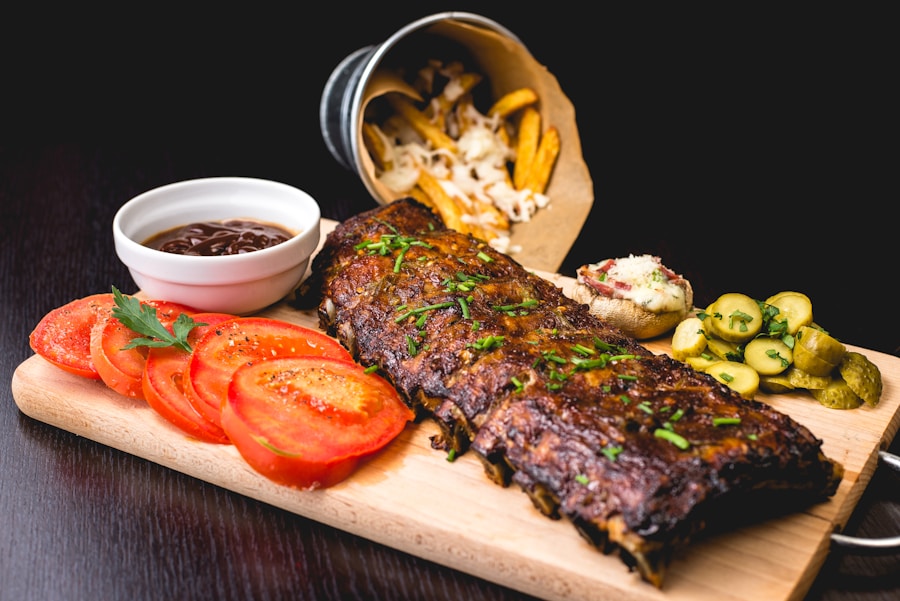
Delivery is no longer a compromise menu—it is a second dining room. The constraint is time and motion: sauces that split, herbs that wilt, and crumbs that steam into sogginess. Plating for the box starts with what survives thirty minutes, not what looks best under dining-room light.
Sauce architecture
We ask partners to separate emulsions until the last moment, or to use viscosity and temperature bands so the guest finishes the dish with a single gesture—lift, pour, toss. On stream we show that gesture so home cooks can mirror it even without the same packaging. Acidulated water brushes on herbs can buy ten minutes of shine; fat-based sauces need insulation from direct steam.
Height and breath
Tall stacks rarely travel; low, wide compositions with a clear “landing zone” for the fork read better on a lap or a coffee table. Negative space still matters—it is where the guest finds calm before the first bite. Lids that press down on microgreens are worse than slightly plain plating—choose hardier leaves or add them in a side cup.
Cold chain and hand-off
Hot boxes and thermal bags change the clock: proteins continue cooking in trapped steam. We document target internal temps at pickup so riders and guests know when to open the box versus when to wait. A sticker with “rest 2 minutes” can save a skin from sogginess.
Labels and instructions
Short verbs beat paragraphs: “Peel film → pour sauce → toss.” QR codes can link to a 20-second clip of the chef finishing the dish—same motion as in the restaurant, scaled for a coffee table.
If it cannot survive the ride, it should not leave the pass—no matter how pretty the lid.