Plating · 12 Mar 2026
Negative space on the plate
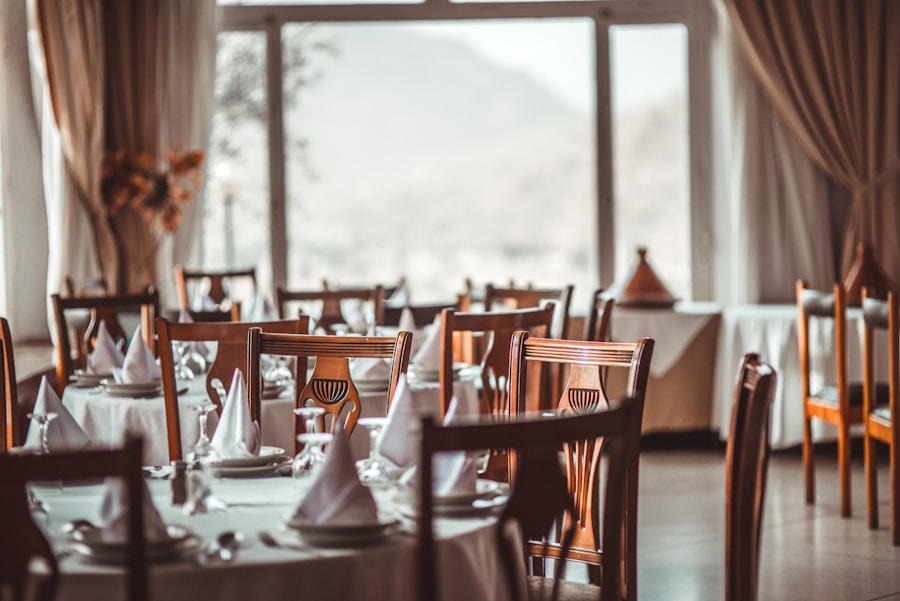
Chefs often speak about “breathing room” the same way designers speak about whitespace: it is not emptiness but intention. On camera, a rim that stays clean reads as confidence; in the dining room, it gives guests a place to rest their eyes between bites.
Camera vs dining room
Broadcast adds a crop: viewers rarely see the whole table. We light for edge definition—where sauce meets porcelain, where herb meets negative space—because that line carries on a phone screen. In the room, guests scan in arcs; they notice balance before flavour. A plate that works in both contexts usually commits to one focal point and lets the rest exhale.
Colour blocks
High-contrast sauces—beet against cream, ink against citrus—need a buffer zone so the eye understands hierarchy. A thin swipe reads differently from a pool; negative space lets you steer the first forkful. If two colours touch without breathing room, the camera flattens them into one muddy mass; in person, the same collision reads as heavy-handed.
Height without clutter
When stacking, leave a vertical corridor: one tall element, one low garnish, nothing competing for the same altitude. Our tastings often show this in macro so you can mirror the rhythm at home. Think in planes: foreground, mid, back—each with a single job.
Texture at the rim
A brushed or bisque rim catches light differently than a glazed one; that matte band can act as whitespace even when the centre is busy. We sometimes ask partners to leave a thumb-width of bare rim for finger lifts and for the guest’s eye to land between courses.
- One loud element, one whisper—never two shouts.
- Sauce stops short of the rim unless it is the story.
- Garnish height stays below the guest’s eyeline when seated.
Whitespace is not what you leave out; it is the frame that makes the bite legible.