World dishes · 18 Jan 2026
Tokyo izakaya on one plate
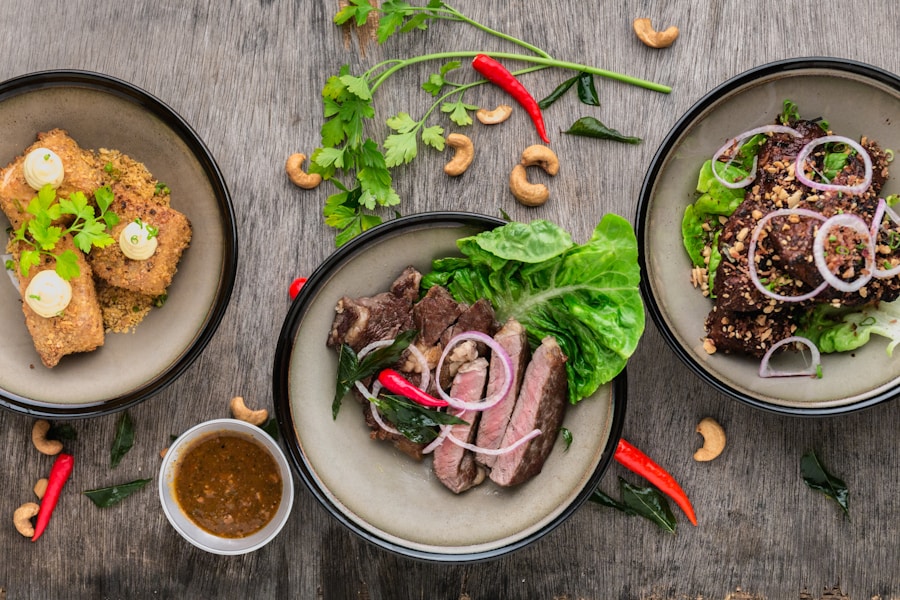
An izakaya evening is a crawl: charcoal, pickle, something fried, something raw, something warm in a cup. For our tasting format we sometimes compress that arc into one composed course—still legible as a journey, not a collage.
Smoke and acid
Yakitori-inspired glaze might meet a sliver of ume, or a dab of koji butter beside quick-pickled cucumber. The guest should taste “stall, then bar, then night air”—even if they have never been to Yurakucho. Char should read as aroma, not bitterness; if smoke dominates, pull back the sear time or add a sweet counter in the next bite.
Drinks beside the plate
Highballs, nama sake, or crisp beer can sit in the pairing—even in a single-plate format—if you translate their role into flavour: citrus peel, malt, rice sweetness. We sometimes serve a tiny chilled cup as a mid-course reset between composed bites on the same plate.
Honesty over pastiche
We avoid theme-park Japan: the reference is flavour and restraint, not flag-waving garnish. The story lives in the bite sequence. Nori flakes and togarashi are tools, not costumes—use them when they solve texture or heat, not when a postcard demands them.
What we leave out
If the arc already includes smoke, fat, and pickle, we resist adding a fifth voice—miso caramel, for example—unless it replaces something weaker. Compression rewards editing: one fewer element often reads as more generous.
Compress the evening, not the culture—flavour first, postcard never.