Pairing · 26 Feb 2026
Natural wine with high-acid seafood
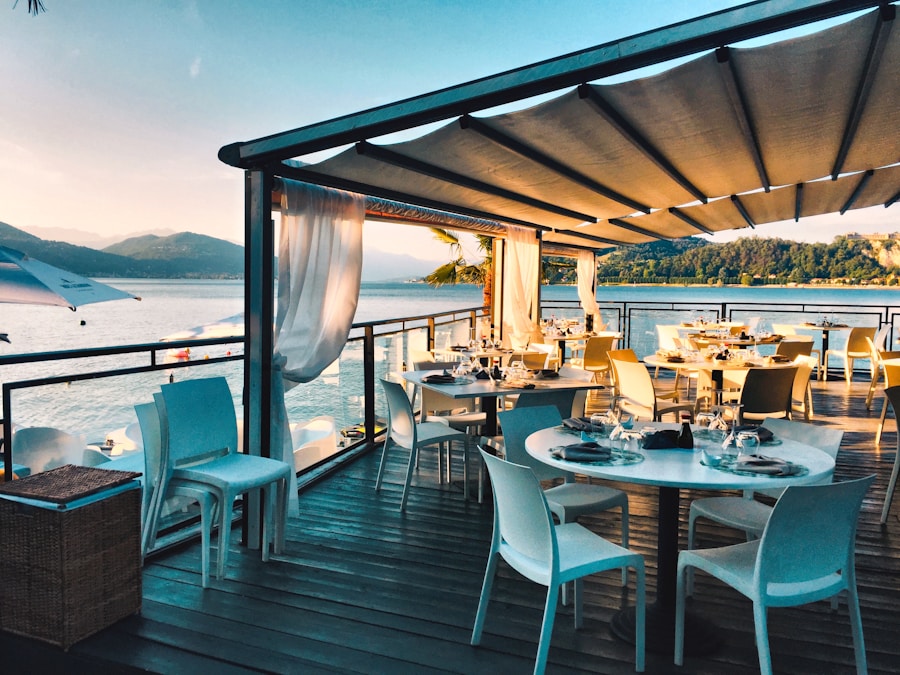
High-acid whites with a touch of skin contact can mirror the salinity of oysters and mussels. Our Lisbon partners reach for Atlantic breezes in the glass—mineral first, fruit second.
Salinity
Match brine with tension: citrus peel, chalk, a hint of reduction—not heavy oak that smothers iodine.
Copenhagen
Colder water often means leaner flesh; pour brighter, leaner wines and let the plate add fat if needed.
Rules of thumb
Start with geography: what grows beside the sea often speaks the same dialect as what swims in it. Then adjust for cooking—raw, cured, or grilled each nudges the glass warmer or cooler.
- Raw shellfish: lean, chalky, citrus-edged whites; avoid overt oak.
- Grilled fish with skin: a touch more texture in the wine—skin-contact white or very light red.
- Butter and brown butter sauces: add mid-palate weight; acid still leads.
Skin contact and oxidation
Amber pours can bridge iodine and tannin in a way clear juice cannot—but the line between “complex” and “tired” is thin. Taste for aldehyde: if the wine smells more like varnish than sea spray, choose a younger bottle or a cleaner profile.
When to break the rule
Champagne with oysters is a cliché because it works—but so can crisp cider or a saline manzanilla when you want less bubble and more savoury pull. The pairing should extend the bite, not announce itself before the food arrives.
Mineral first, fruit second—the sea should still taste like the sea after the sip.