Service · 20 Feb 2026
Counter seating: intimacy at the pass
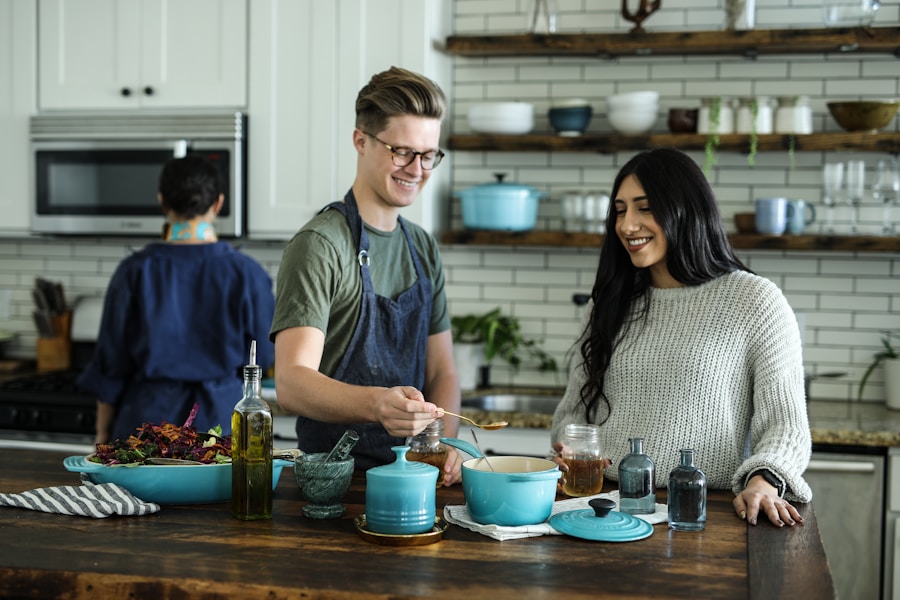
A few seats at the counter are not “leftover tables”—they are the front row. Guests trade privacy for proximity: the sound of the pass, the tilt of a pan, the micro-adjustment before a plate lands. Service here is theatre with nowhere to hide.
Pacing and eye line
Teams rehearse who speaks when, how long a guest may wait between eye contact and explanation, and when silence is part of the luxury. Our hybrid streams sometimes frame the counter as a second camera so remote guests feel that rhythm too. Servers learn to “post” at fixed points so the chef never turns their back to the room without warning.
Reservations and pacing
Counter seats are fewer than covers; we stagger arrivals so the pass is never crowded and every guest gets a clean sightline. A two-top at the bar is not the same as two singles—spacing matters for sound and for smoke from the plancha.
Trust
Counter guests often book omakase-style trust: the menu is a conversation. That trust extends to crumbs, spills, and the honest mess of craft—beautifully managed, never performed. Questions are welcome; lectures are not—unless the guest asks for the deep cut.
Acoustics and privacy
Hard surfaces and open kitchens amplify sizzle and chatter. Some rooms angle a low screen or plant line to soften sightlines without killing the theatre. We level audio on streams so hiss from the pass does not drown the chef’s voice.
Proximity is the ingredient you cannot sous-vide.